The 1997 Tax Rule Blocking Nashville's Empty-Nest Homes
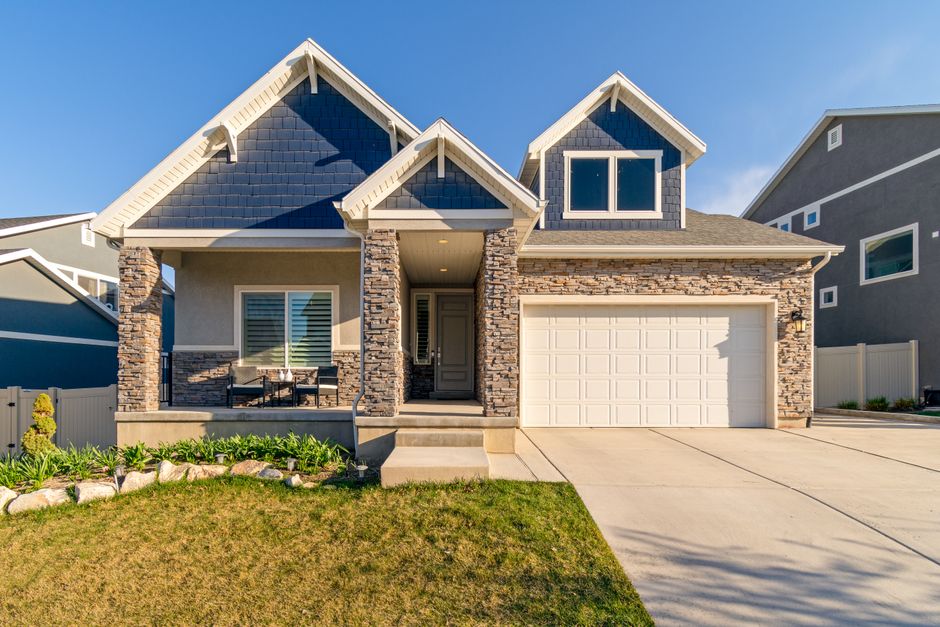
NASHVILLE — On a Sunday afternoon in East Nashville, a couple in their seventies waters the tomatoes behind a four-bedroom bungalow they have owned since the Clinton administration. Two of the bedrooms have been empty for a decade. Down the block, a young family circles the same listings on their phones, priced out of a house shaped exactly like the one being watered by two people who no longer need the space.
That mismatch — too much house in one yard, too little in another — sits at the center of the biggest federal housing debate in a generation. The 21st Century ROAD to Housing Act became law at 12:00 a.m. on July 11, 2026, after President Donald Trump declined to sign or veto it within the constitutional window, according to CBS News. But the law's supply-side ambitions expose a quieter problem it does not solve: a tax code that still, in some cases, rewards longtime owners for keeping large homes off the market.
The scale of the new law is real. The Bipartisan Policy Center describes the act as spanning 12 titles and 60 sections touching nearly every dimension of housing policy. It cleared Congress with unusually broad support — Senate passage by 85-5 and House passage by 358-32 in late June 2026, according to the National Conference of State Legislatures. ArchDaily reports the package includes financing access, local-government incentives, manufactured-housing changes and limits on large institutional ownership. The NCSL notes Title X restricts additional single-family purchases by corporations, private equity firms and REITs holding 350 homes or more, with exemptions for builders and nonprofits.
Yet most of it builds new supply slowly. CNN Business writer Samantha Delouya said on air that the law is unlikely to make a big difference for buyers next year, because supply changes take years. The Bipartisan Policy Center adds that nearly all of the law's new programs depend on future congressional appropriations to operate.
This is where the tax code enters. The Niskanen Center argues Congress could open the single-family market by changing capital-gains treatment on primary-home and inherited-home sales. The federal home-sale exclusion — up to $250,000 in gain for single filers and $500,000 for joint filers — has not been updated since 1997; Niskanen says inflation-indexing would push those 2026 thresholds above $500,000 and $1 million. For a couple who bought in East Nashville decades ago, the difference is a tax bill that can make staying put feel like the rational choice.
The pressure is measurable. The National Association of Realtors reports a June 2026 median existing-home price of $440,600, up 1.8% year over year, with just 4.6 months of supply. Realtor.com estimates the national supply gap widened to 4.03 million homes in 2025. Harvard's Joint Center for Housing Studies says home prices rose 54% nationwide since 2020.
A concrete fix already exists in draft. Rep. Jimmy Panetta's More Homes on the Market Act, H.R.1340, would raise the exclusions to $500,000 and $1 million and index them to inflation, according to Congress.gov — though it remains an introduced bill, not law. The Budget Lab at Yale estimates doubling the exclusion would cost $76 billion over 10 years, while applying carryover basis to inherited residential real estate would offset $40 billion, per Niskanen.
The ROAD Act proves Congress can move on housing supply. The next logical step may be smaller and more intimate: making it less punishing for the couple watering tomatoes to hand their four bedrooms to the family circling the block.