The Empty Bedrooms Federal Housing Reform Can't Yet Unlock
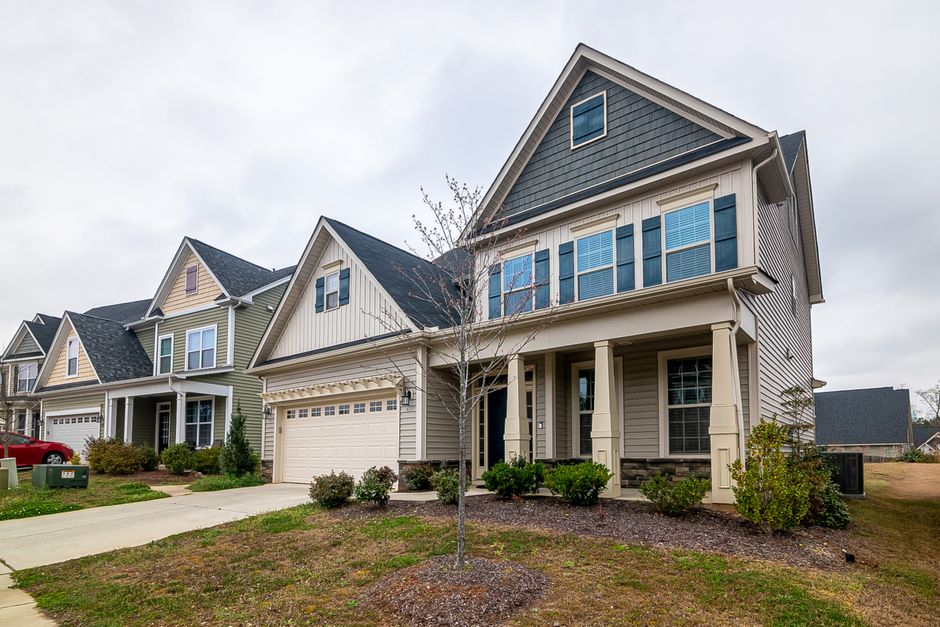
NASHVILLE — In a three-bedroom ranch off Nolensville Pike, two of the bedrooms have been closed for years — a study no one studies in, a guest room that rarely sees guests. The owners are in their seventies. Down the road, a young family rents a two-bedroom apartment and refreshes listings at midnight. The house they need exists; it is simply not for sale. Multiply that scene across Davidson County and the shape of America's housing shortage comes into focus.
The question of 2026 is whether Washington's biggest housing law in a generation can move families like these into homes like that one. The honest answer, drawn from the law's own text and the analysts tracking it, is: not quickly, and not by itself.
The 21st Century ROAD to Housing Act became law on July 11, 2026 — not with a signing ceremony but because the clock ran out. President Trump neither signed nor vetoed it within the constitutional window, and it took effect automatically; the BBC reported he declined to sign over a separate dispute. Its bipartisan roots ran deep: the Senate passed it 85-5 on June 22 and the House 358-32 the next day, according to the Bipartisan Policy Center, which notes the final package folded in provisions from more than 60 separate bills.
What the law does is build supply-side pathways, not deliver instant bargains. The Bipartisan Policy Center reports it creates a $200 million annual Innovation Fund for local governments showing measurable housing-supply progress, sunsetting after seven years, and lets HUD launch a four-year pilot for FHA-backed mortgages under $100,000 — a tool aimed squarely at the small-dollar loans that vanish in lower-priced markets. The National Conference of State Legislatures notes Community Development Block Grant recipients may now direct up to 20% of allocations toward new affordable construction.
Manufactured housing sits at the center of the affordability strategy. The law expands the federal definition of a manufactured home to include units built without a permanent chassis; the Niskanen Center estimates that change alone could cut HUD-code home costs by $5,000 to $10,000 each. A separate provision bars companies owning more than 350 single-family homes from buying additional existing houses, the ArchDaily analysis found, though it does not force current owners to sell.
All of this arrives against a stubborn backdrop. The National Association of Realtors reported that June 2026 existing-home sales fell 2.4% to a 4.09 million annual pace even as the median price hit a record $440,600. NAR chief economist Lawrence Yun warned that stalled inventory could push prices higher still; "inventory growth" he said, would decide the trajectory. Redfin pegged June's median sale price at $408,776 with 3.7 months of supply — more choice than last year, not a balanced market.
Which returns us to those closed bedrooms. The Niskanen Center argues the deepest lock is in the tax code: with Section 121 excluding only $250,000 in gain for single filers and $500,000 for joint filers, an estimated 8 million homeowners hold gains above the joint-filer threshold. Selling can trigger a bill large enough to keep a right-sized house off the market entirely. The enacted ROAD Act does not change that; a separate bill, the More Homes on the Market Act, would double the exclusion.
Urban Institute researcher Yonah Freemark cautioned in CNN-syndicated coverage that relief "will take time" as federal, state, local and private actors implement the tools. Until then, the house off Nolensville Pike stays quiet — two doors closed, waiting for a policy that has only begun to arrive.